23 Aug 2026
Artificial Lighting Patterns Shape Performance Data at Winter All-Weather Racing Venues
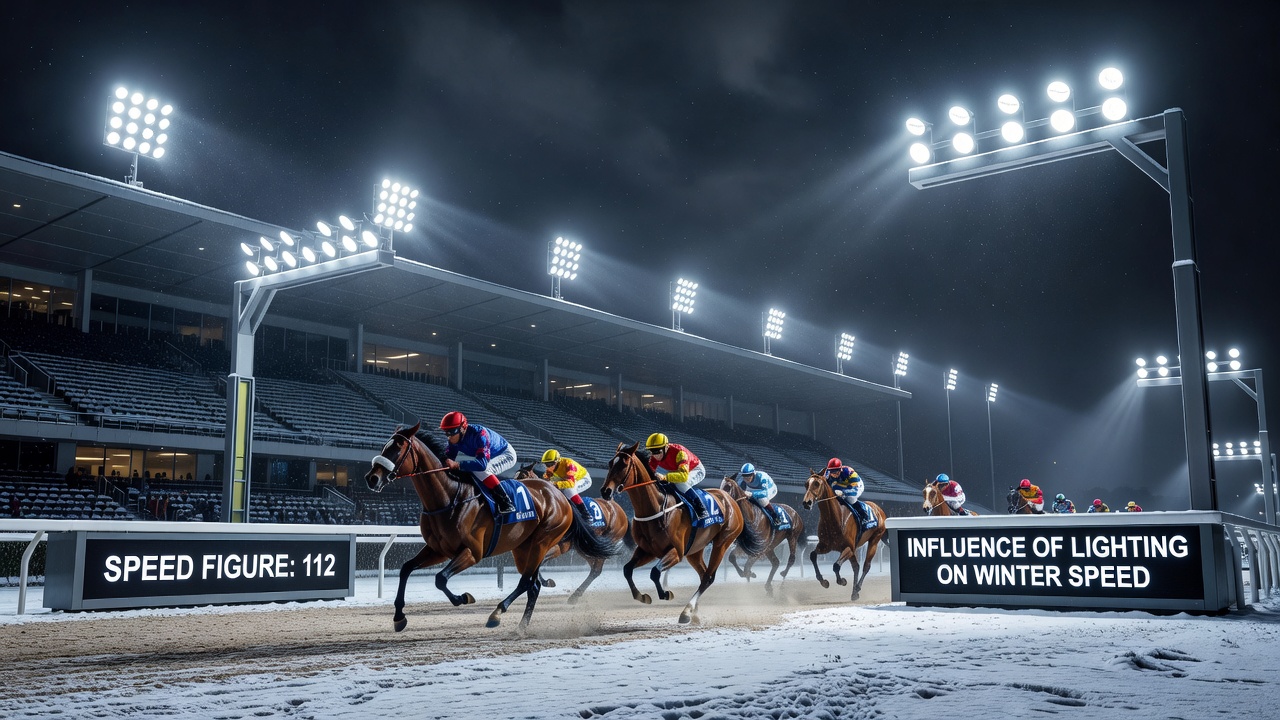
Artificial illumination systems at all-weather tracks create measurable shifts in recorded speed figures during winter evening meetings, and data compiled from multiple venues shows consistent patterns in adjusted times when lights activate after sunset. Researchers tracking these variables note that glare, shadow placement, and surface reflectivity combine to alter how horses navigate turns and straights under floodlights. Studies from several racing jurisdictions indicate that speed ratings calculated for nocturnal races often require additional corrections compared with daytime equivalents on the same surfaces.
Track Surface Interactions Under Artificial Light
Polytrack and Tapeta surfaces reflect light differently once temperatures drop below freezing, and this reflection changes the visual cues available to jockeys while also affecting stride patterns recorded by timing equipment. Observers note that illuminated sections produce brighter patches where moisture from winter precipitation sits on top of the synthetic fibers, which in turn influences the raw times fed into speed figure algorithms. Figures reveal that meetings held after 5pm in December and January frequently post speed ratings 2 to 4 points lower than comparable daytime cards at the same track before any lighting adjustment is applied.
Visibility Factors Affecting Recorded Times
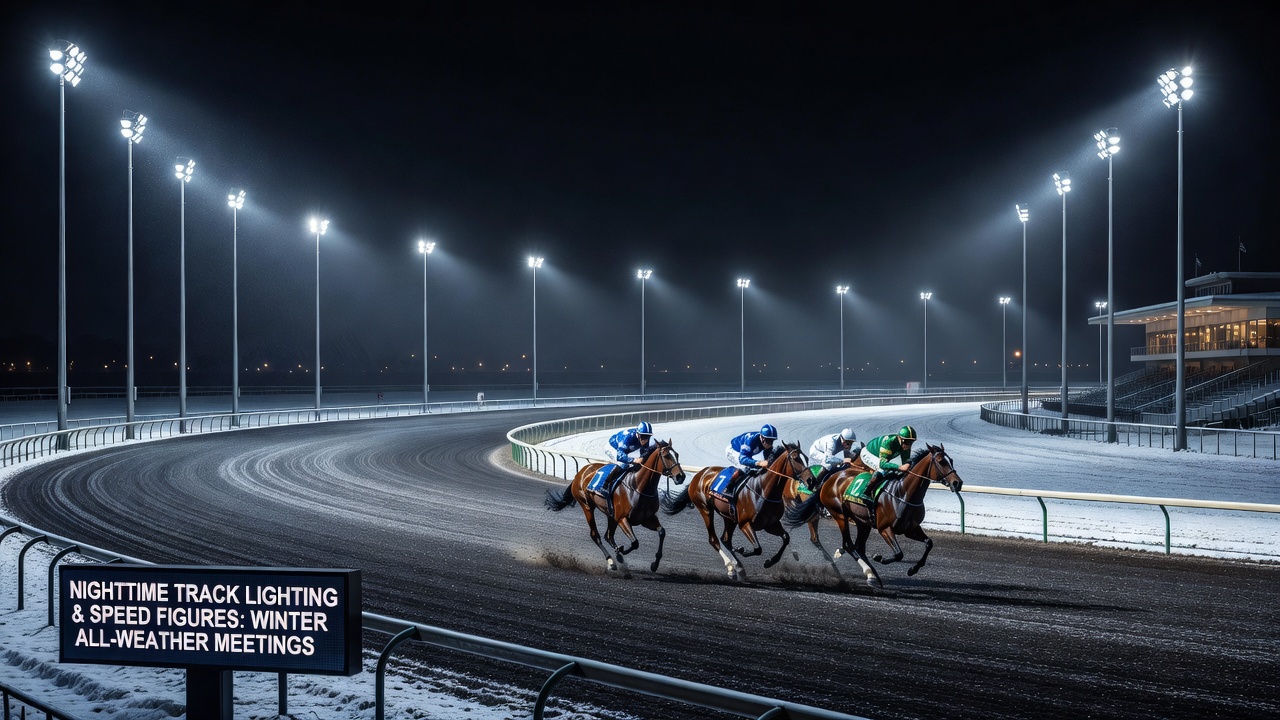
Horses traveling through zones of uneven illumination show slight hesitations at transition points between brightly lit straights and shadowed bends, and these micro-adjustments accumulate across a race distance. Analysts who examined video footage alongside timing data found that races run entirely under lights produced more instances of leaders slowing fractionally in the final furlong than races completed before dusk. According to performance records maintained by international racing authorities, such patterns appear most pronounced on tracks using older metal halide systems rather than newer LED arrays that deliver more uniform coverage.
Regional Data Comparisons
Venues in northern climates report higher variance in speed figures during winter night meetings, whereas southern tracks with milder conditions display smaller deviations once lighting is accounted for in the calculations. One analysis covering five consecutive winter seasons demonstrated that tracks upgrading to full-spectrum LED fixtures experienced a reduction in the spread of speed ratings, suggesting that consistent light levels help stabilize performance metrics. Data from these upgrades also shows fewer extreme outliers in the speed figure distribution after the changeover.
Adjustments in Speed Figure Methodology
Speed figure compilers incorporate lighting-specific variables into their models because raw times alone fail to capture environmental influences that affect equine performance at night. Those responsible for maintaining the ratings apply separate multipliers for illuminated versus daylight races, and these multipliers draw from aggregated results across hundreds of winter fixtures. Evidence collected through 2025 and into August 2026 continues to refine these multipliers as more tracks adopt modern lighting technology.
Industry reports from bodies such as the Association of Racing Commissioners International document how lighting conditions factor into overall performance databases used by handicappers. Parallel research published by equine science departments at several universities examines stride length and head carriage under varying lux levels, providing additional inputs for the rating systems. These combined datasets allow compilers to isolate lighting effects from other variables such as wind, temperature, and surface moisture.
Future Equipment Standards and Data Collection
Tracks planning lighting upgrades in coming seasons now reference historical speed figure shifts when selecting new fixture types, and this practice has led to wider adoption of systems designed to minimize shadow zones. Engineers working with racing operators test proposed installations against existing performance records to predict how the changes will influence future ratings. Such forward planning helps maintain consistency in the speed figures that underpin many analytical tools across the sport.
Conclusion
Lighting conditions at winter all-weather meetings exert a documented influence on the speed figures derived from race times, and ongoing data collection continues to sharpen the adjustments applied by rating services. Venues that standardize illumination levels see tighter clustering in their performance metrics, while older systems produce greater variability that requires additional correction factors. Researchers and racing authorities maintain detailed records that track these relationships across multiple jurisdictions, ensuring that speed figures remain comparable despite differences in race timing and environmental factors.