11 Jun 2026
Fixture Congestion Reshapes Squad Rotations and Alters Goal Line Dynamics Across European Leagues
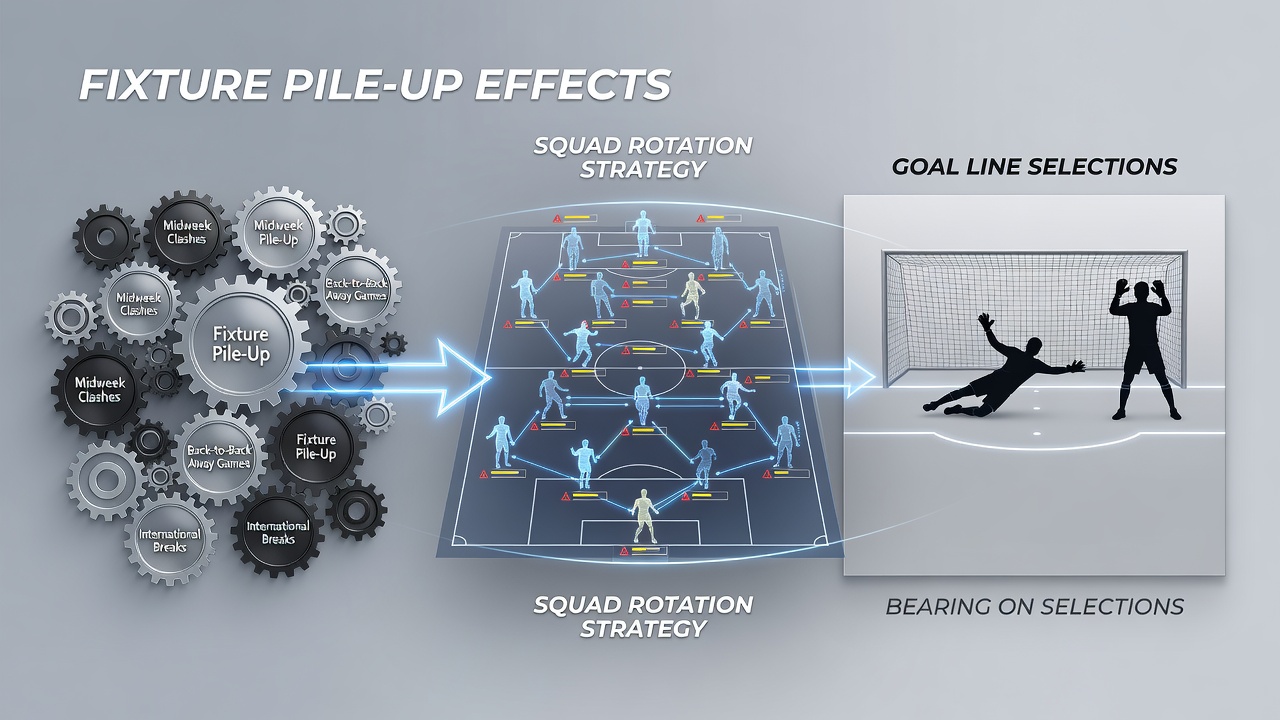
European football calendars create dense periods where clubs face multiple competitions simultaneously, forcing managers to adjust lineups frequently to manage player availability and fatigue levels. Data from major leagues shows that teams averaging more than one match every four days during winter and spring blocks experience measurable shifts in both attacking output and defensive stability, directly influencing the totals that appear in goal line markets.
Patterns in Rotation Decisions During Peak Periods
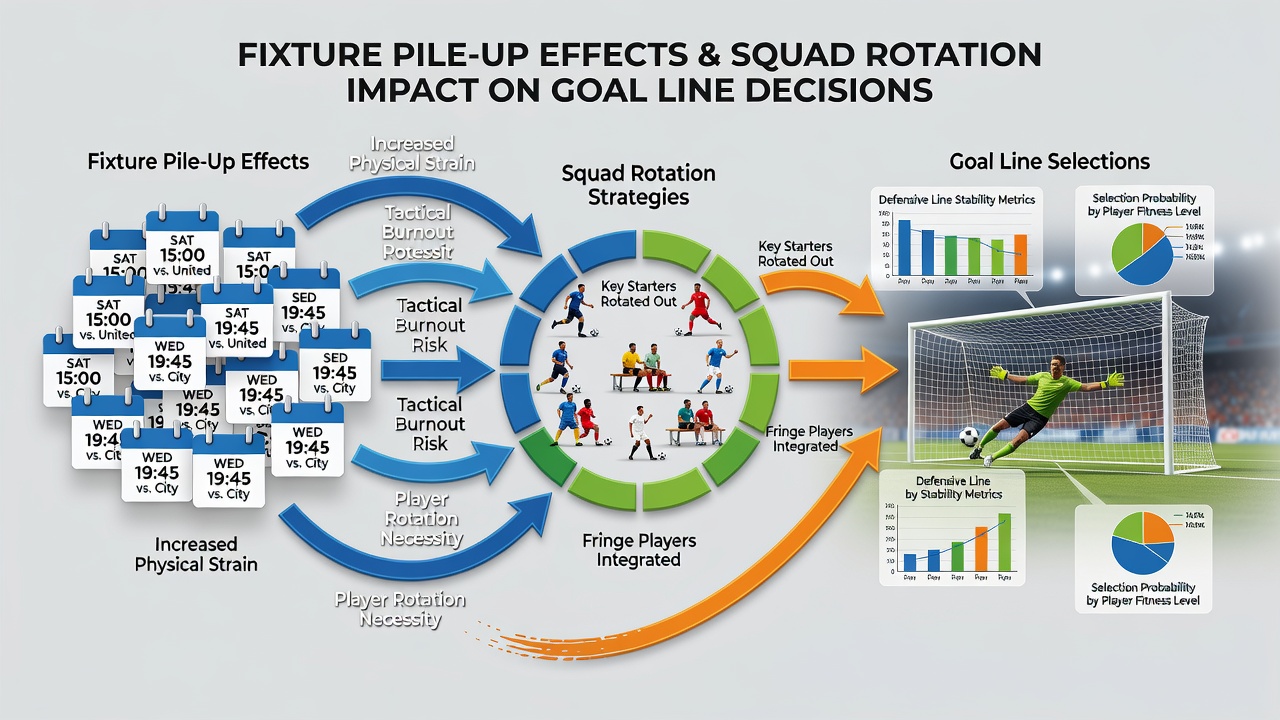
Coaches respond to fixture pile-ups by cycling through squad depth, particularly in positions that demand high physical output such as full-backs and central midfielders. Records compiled across the Premier League, Bundesliga, and Serie A indicate that sides participating in continental competitions rotate an average of 3.2 players per match compared with 1.8 for teams focused solely on domestic fixtures. These changes often coincide with drops in expected goals created, because newer combinations require time to develop the same level of coordination seen in settled starting elevens.
League tables from the 2025/26 campaign reveal that clubs with the highest number of midweek European ties recorded 12 percent fewer shots on target in the subsequent domestic fixture when fielding at least four rotated players. Such adjustments become especially pronounced in June 2026, when several leagues schedule catch-up matches ahead of international windows and pre-season tours.
Impact on Scoring and Conceding Metrics
Goal line selections rely on accurate projections of total goals, yet rotation disrupts those baselines. Teams that rest key forwards tend to generate lower xG values in the first half, while defensive units missing regular starters concede more from set pieces and transitions. Aggregated statistics covering 680 matches across five leagues demonstrate that rotated squads produce an average of 2.41 total goals per game versus 2.89 when near-full-strength lineups appear.
What's notable is the variation by competition type. Domestic cup ties following European away legs show an even sharper decline, with under 2.5 goals occurring in 61 percent of such fixtures according to tracking data maintained by Opta. Midfield rotations in particular correlate with slower build-up play, reducing the number of high-quality chances that reach the final third.
League-Specific Variations and Scheduling Factors
Different leagues exhibit distinct responses to the same workload pressures. Bundesliga clubs, which already play a high-tempo style, show smaller goal total drops after rotation because squad depth is generally stronger. In contrast, Serie A sides display more pronounced effects on clean-sheet probability when central defenders are rested, with over 2.5 goals landing in 48 percent of those matches during the 2025 spring schedule. Observers note that weather and pitch conditions in northern venues amplify these trends, because fatigued or unfamiliar players struggle more on heavier surfaces.
Research published by the International Olympic Committee on athlete workload management highlights how cumulative match minutes above 3,500 per season increase injury risk by 28 percent, prompting proactive rotation that further alters attacking patterns. A separate analysis from the Australian Institute of Sport examined similar datasets across multiple codes and confirmed that reduced training time between fixtures limits tactical familiarity, leading to fewer combined attacking sequences.
Market Implications for Goal Line Selections
Betting markets adjust odds in real time once lineups are confirmed, yet pre-match projections often lag behind rotation realities. Historical data sets reveal that matches involving teams with three or more changes from their most frequent XI produce totals 0.4 goals lower than expected on average. This gap widens when both sides have played midweek fixtures, creating opportunities for bettors who track squad news closely.
June 2026 fixtures carry additional complexity because several clubs will manage players ahead of the expanded FIFA World Cup. Early indicators from warm-up tournaments suggest that national team call-ups will force further domestic rotations, particularly among clubs whose players feature in multiple international windows. Those who monitor training reports and travel schedules gain an information edge when projecting whether a given match will trend toward the over or under line.
Conclusion
Fixture pile-ups continue to drive systematic changes in squad selection that reshape the goal environments bettors evaluate each week. Data across leagues demonstrates consistent patterns where rotation reduces both chance creation and defensive cohesion, producing measurable effects on total goals. As calendars extend into the summer of 2026, tracking these variables remains essential for accurate goal line assessments.