18 Jun 2026
Jockey and Trainer Alliances Driving Each-Way Outcomes in National Hunt Events
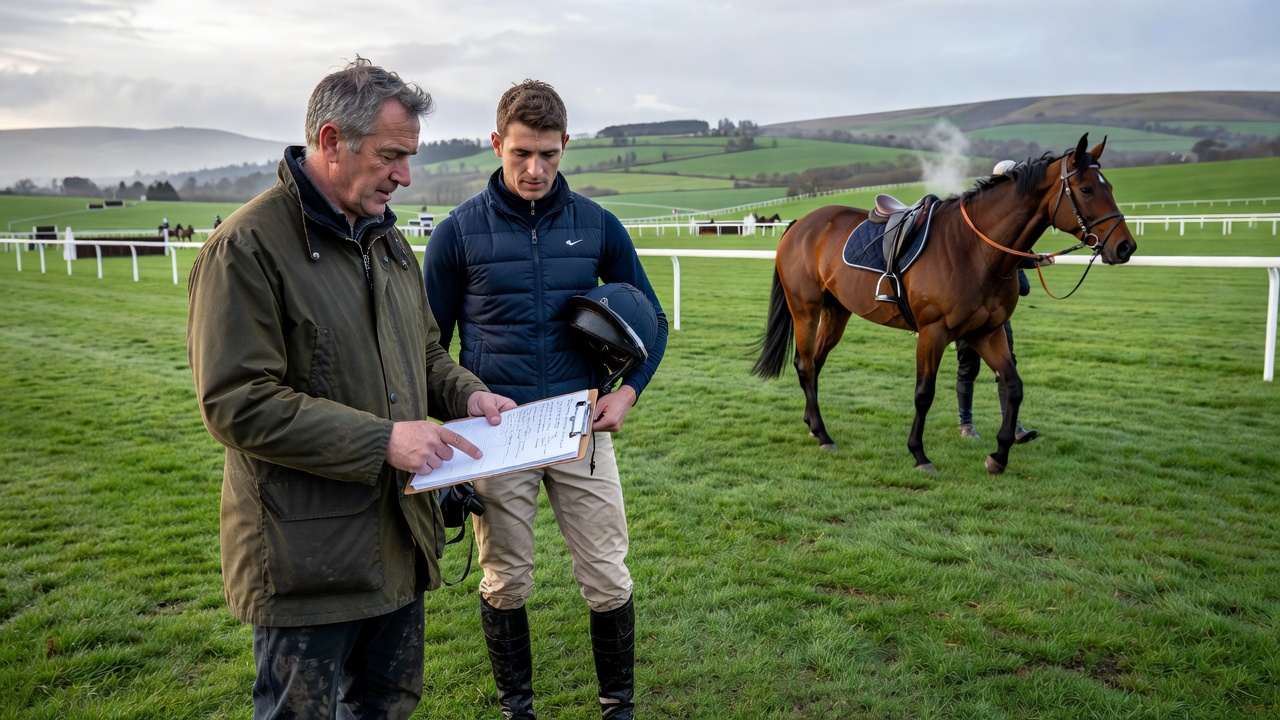
National Hunt racing relies on coordinated efforts between jockeys and trainers where consistent communication shapes performance patterns across jumps events. These partnerships develop through repeated collaborations that build familiarity with individual horse temperaments and ground preferences. Data from recent seasons shows that horses handled by long-standing rider-trainer combinations achieve higher place rates in handicap chases and hurdles compared to those with rotating jockey assignments.
Each-way betting in these contests pays out on the first three or four finishers depending on field size and bookmaker rules. Observers note that partnerships often produce more predictable results because trainers relay specific instructions about pace and jumping styles that jockeys execute with greater precision. This coordination influences how horses settle into races and respond when the ground changes mid-contest.
Historical Patterns in Jumps Racing Partnerships
Records from the past decade highlight several prominent alliances that have delivered measurable edges in each-way markets. Trainers who retain the same rider for multiple seasons report fewer tactical errors during the closing stages of staying chases. Research indicates these combinations reduce the frequency of horses falling or unseating riders at key obstacles where split-second decisions matter most.
One study of Irish National Hunt fixtures between 2022 and 2025 found that established pairs recorded place percentages above 38 percent in novice hurdles. The same analysis showed newer combinations hovering near 29 percent. Such differences affect starting prices because bookmakers adjust odds based on historical performance data tied to specific rider-trainer pairings.
Impact on Payout Structures and Market Behavior
Each-way returns depend on both the place dividend and the win odds. When a partnership demonstrates strong recent form, layers often shorten the each-way portion of the bet because the horse becomes a more likely contender for a top-four finish. Figures released by racing authorities in June 2026 reveal that courses with softer ground conditions amplify these effects, as trainers fine-tune jumping techniques that only certain jockeys have practiced repeatedly with the same animal.
Market movements before races frequently reflect this information. Sharp bettors monitor trainer comments about retained riders and adjust stakes accordingly. The result is that each-way payouts on horses from proven partnerships tend to stabilize earlier in the betting cycle compared to those with less familiar rider arrangements.
Regional Variations Across UK and Irish Tracks
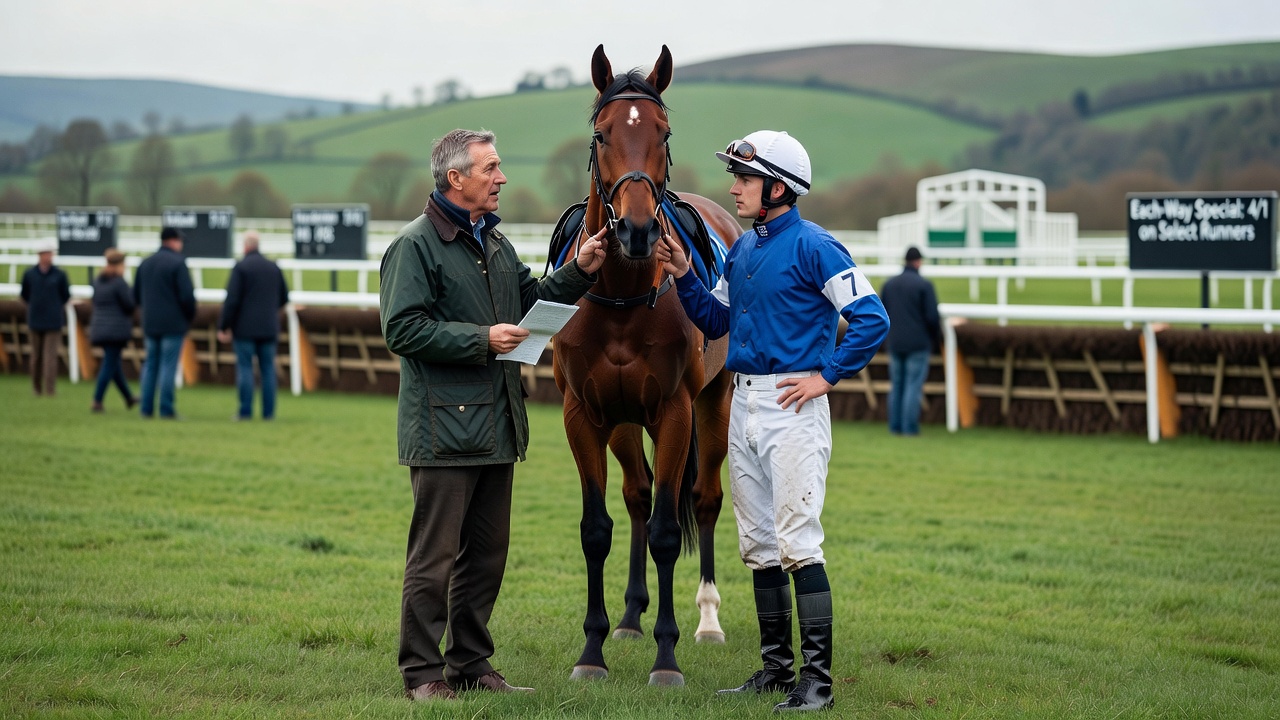
Tracks in the north of England and Scotland present different challenges than southern venues or Irish courses. Northern circuits often feature tighter turns and more undulating terrain, requiring jockeys who understand a trainer's preferred riding style to maintain balance through the final mile. According to industry reports from the Horse Racing Ireland database, partnerships that compete across both jurisdictions show elevated place rates when traveling between regions because they adapt quickly to varying ground and race tempos.
June 2026 fixtures at several major tracks have already demonstrated this trend. Horses prepared by trainers who maintain cross-border rider relationships continue to feature prominently in each-way calculations during summer jumps meetings. These patterns emerge most clearly in handicap events where small margins determine whether a runner collects place money.
Data Sources Informing Partnership Analysis
Comprehensive databases now track every ride-trainer combination with detailed metrics on win, place, and each-way strike rates. Analysts at organizations such as the Association of Racing Commissioners International compile these figures across multiple jurisdictions, allowing comparisons between flat and jumps codes. The information helps identify which alliances outperform market expectations in specific conditions like heavy ground or long-distance chases.
Trainers publish stable plans that list intended jockey bookings weeks in advance. This transparency allows statistical models to update probabilities for each-way outcomes before final declarations. Evidence suggests that last-minute jockey changes disrupt these models and can lead to larger place dividends when the new combination underperforms relative to the established pairing.
Conclusion
Jockey-trainer partnerships shape performance consistency in National Hunt racing through accumulated knowledge of horse behavior and race tactics. These relationships influence each-way payout dynamics by altering both actual results and market pricing. Continued tracking of partnership statistics through June 2026 and beyond provides ongoing insight into how coordination between riders and conditioners affects returns across different ground conditions and track configurations.