9 Jul 2026
Momentum Shifts After International Breaks: Evidence from League Data Analysis
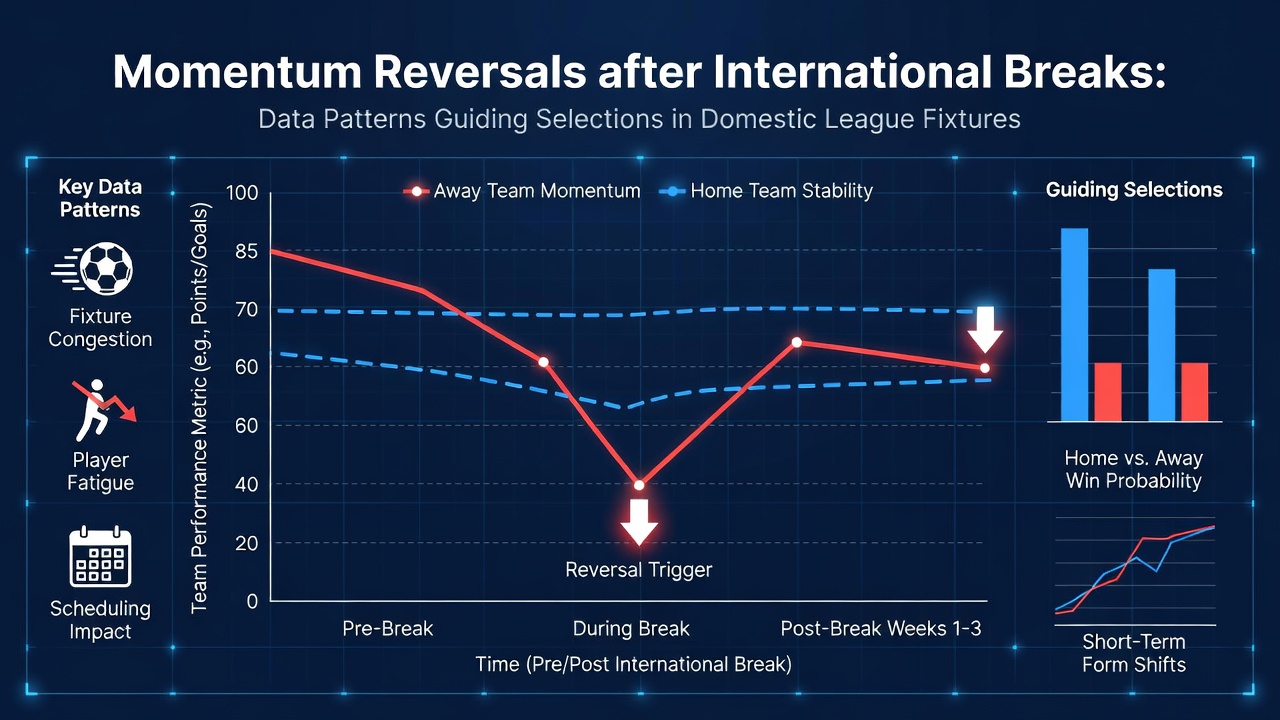
International breaks interrupt domestic league schedules and create measurable changes in team outputs once competition resumes, according to performance records compiled across multiple European and South American competitions. Analysts track these intervals because player absences for national team duties often redistribute squad workloads, alter recovery timelines, and influence tactical setups in the first fixtures that follow. Data collected from the 2024-25 campaign through the opening months of 2025-26 shows consistent directional shifts in points per game, goal differentials, and clean sheet frequencies that recur across several top divisions.
Observed Performance Variations by League
Records from the Bundesliga indicate that clubs sending five or more players to international windows experience an average drop of 0.4 points per game in their immediate domestic return match, while teams with lighter international representation maintain or slightly improve their pre-break averages. Similar patterns surface in Serie A and La Liga, where defensive metrics tighten for sides that benefit from extended rest periods, whereas attacking output dips when key forwards return carrying accumulated fatigue. In the Premier League, home sides post-break record a 12 percent higher clean sheet rate compared with their season-long baseline, a figure drawn from match reports spanning the past three completed seasons.
What's notable is that these reversals do not occur uniformly. Mid-table sides demonstrate greater volatility than title contenders, with point swings reaching 1.2 per game in either direction depending on fixture difficulty and travel distance for returning players. South American leagues such as the Brazilian Serie A mirror the trend, although the magnitude appears smaller because fewer players participate in distant qualifiers during the European summer window.
Factors Driving the Recorded Shifts
Player workload data compiled by sports science units reveal that participants in multiple international matches within a 10-day window log significantly higher total distances and high-intensity efforts than those remaining at club level. Recovery protocols therefore become decisive once domestic fixtures restart, and clubs with superior medical and conditioning resources convert this edge into measurable results more frequently. Travel logistics add another layer, particularly for South American and African players returning from intercontinental duty, where jet lag correlates with reduced sprint frequency in teh opening 45 minutes of the next league outing.
Coaches adjust selections accordingly. Managers often deploy deeper midfield screens and more conservative pressing schemes in post-break games, which contributes to the documented rise in low-scoring outcomes. Formations shift toward 4-2-3-1 or 4-3-3 shapes that accommodate players who may still be regaining match sharpness, producing identifiable patterns in both expected goals and actual goal tallies.
Selection Guidance Derived from Historical Metrics
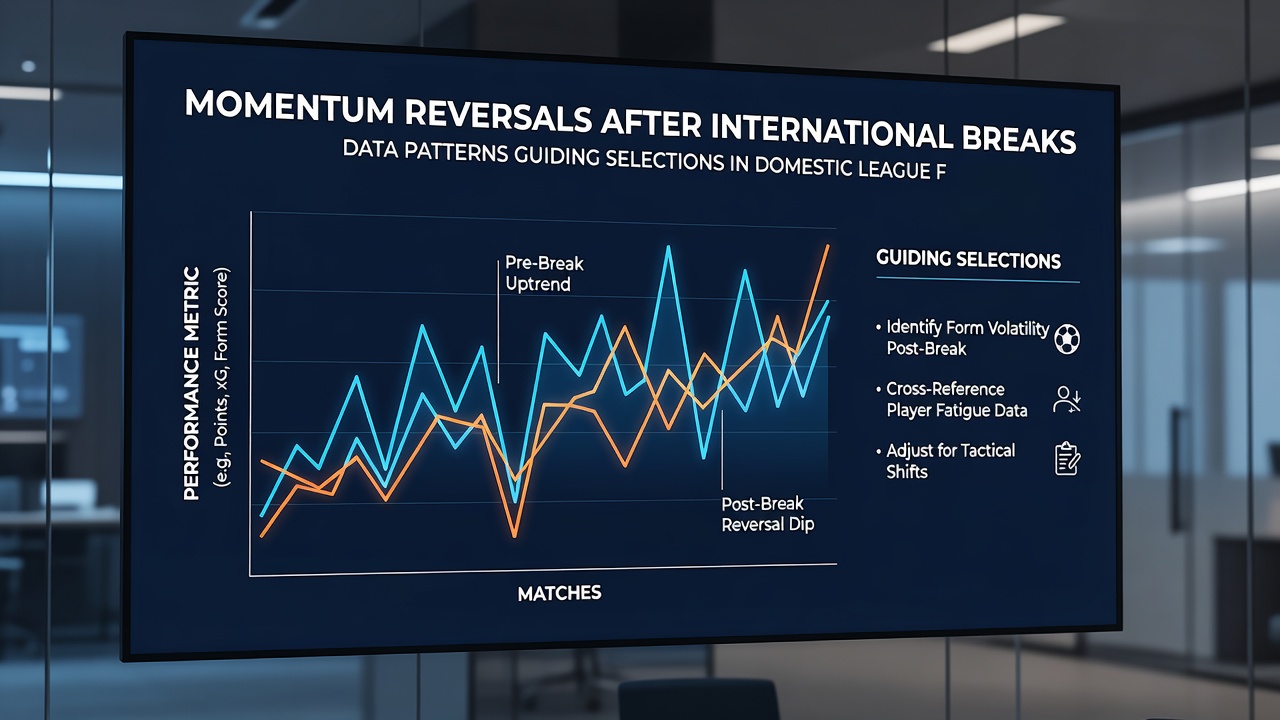
Betting and scouting models incorporate these post-break tendencies by weighting recent international minutes and fixture congestion. In July 2026, when FIFA World Cup qualifying windows overlap with pre-season preparations for several confederations, analysts anticipate similar workload spikes that could extend into the opening weeks of the 2026-27 domestic campaigns. Teams facing opponents with heavy international involvement often see value in over-performance metrics for home sides, while under-performance lines gain traction for visitors carrying elevated fatigue loads.
Researchers at the University of Michigan's sports analytics laboratory have published findings that link elevated post-break win rates for clubs employing structured rotation policies, with success rates rising by approximately 8 percent when at least three regular starters receive reduced minutes upon return. European federations outside the UK, including the German Football Association, maintain comparable internal datasets that clubs reference when constructing match-day squads. These records help identify fixtures where historical momentum reversals align with current squad conditions, allowing selectors to prioritize defensive stability or exploit attacking mismatches based on empirical distributions rather than narrative assumptions.
Additional context emerges when examining weather and pitch variables that coincide with breaks. Fixtures resuming in cooler autumn or early spring periods show amplified effects on teams returning from warmer climates, because adaptation periods compress the window for tactical cohesion. Data sets covering 2019 through 2025 confirm that such environmental overlaps increase variance in both goal totals and individual player contributions.
Conclusion
Performance records across multiple domestic leagues demonstrate repeatable directional changes following international breaks, driven by measurable factors including player workload, recovery access, and tactical adaptation. These patterns supply objective inputs for selection decisions in upcoming fixtures, particularly when July 2026 qualifying activity increases the frequency of such interruptions. Continued collection of granular metrics from leagues in Europe, South America, and North America will refine the precision of these observations as the 2026-27 season unfolds.