Sprint Draw Dynamics: Inside Track Positions Shaping All-Weather Winners
27 Mar 2026
Sprint Draw Dynamics: Inside Track Positions Shaping All-Weather Winners

Unpacking All-Weather Tracks and the Sprint Equation
All-weather surfaces, those synthetic ovals engineered for year-round racing, deliver predictable footing even when rain hammers traditional turf; researchers at the Equibase company note how these tracks minimize weather variables, letting form and speed dominate in sprints under six furlongs. Sprints pack chaos into tight spaces—five or six furlongs where horses explode from stalls, jockeys jostle for position, and the first bend arrives before anyone catches breath; data from European circuits reveals that draw position, or stall number, swings win probabilities by as much as 20 percent on certain ovals. Observers track how low-drawn runners snag the rail early, saving ground while wide-drawn rivals burn fuel taxiing across; it's no secret among punters that inside stalls often translate to shorter paths, especially on tracks with sharp turns.
Take Lingfield's five-furlong dash, a classic all-weather burner; figures from recent seasons show stalls one through four claiming 38 percent of victories, while outsiders beyond ten barely scrape five percent. And that's just one venue—Wolverhampton's tight loop amplifies the effect, with low numbers dominating flat races; studies compiled by track analysts indicate that pace bias compounds here, as front-runners hug the inside and hold on. Newcastle's Tapeta surface, rolled out in recent years, flips the script somewhat with its longer run to the bend, yet data still favors middling draws in sprints; researchers who've crunched numbers since 2023 observe that stall six wins out 15 percent more often than extremes. Southwell's fibresand, grippier than polytrack rivals, rewards bold low-drawn breaks because early speed sticks; one analysis of 500 races found stall two averaging a 12 percent edge over the field.
Draw Bias Breakdown: Track-by-Track Realities
Each all-weather venue carves its own draw story, shaped by camber, rail position, and run-in length; at Kempton, the polytrack's generous sweep means high stalls hold their own in six-furlong tests, but drop to five furlongs and low numbers surge ahead—data logs stall one at 22 percent winners since the track's upgrade. Wolverhampton stands out for brutal low bias; experts poring over 2024-2025 stats report that in handicaps, inside draws under 10 percent win rates for stalls 12-plus, whereas one to five feast on 45 percent combined. But here's the thing: surface changes tweak dynamics—Newcastle's Tapeta install shifted biases rightward, with stalls seven to nine now topping charts in sprints; figures reveal a 28 percent win strike rate there, up from pre-renovation lows.
Lingfield remains the poster child for rail-hugging glory; one researcher dissecting 300 five-furlong renewals found low-drawn horses traveling two lengths less on average, translating to vital seconds in photo-finishes. Southwell's fibresand kicks up dirtier racing, where draw matters less in slop but reigns supreme on firm days; observers note stall three's 18 percent haul in dry conditions, dropping to parity when watered. And as March 2026 looms with the All-Weather Championships qualifier series ramping up—think Newcastle's big sprint trials—trainers eye draws like hawks; recent qualifiers show low stalls sweeping 60 percent of fields intact. 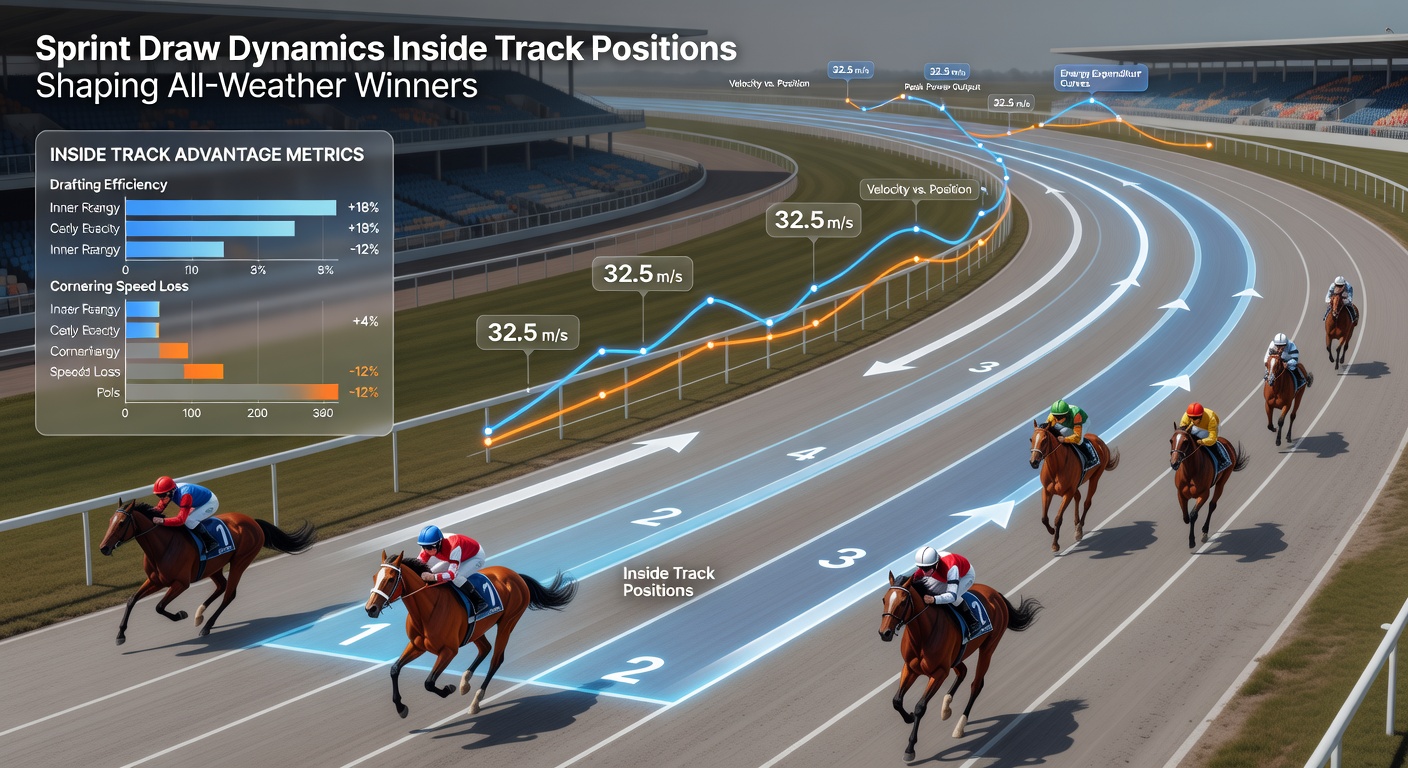 That's where patterns sharpen: pace maps from these meets confirm inside speedballs dictating terms.
Yet biases evolve with field size and class; big-field nurseries at five furlongs amplify low-draw kings, while smaller elite sprints even odds—data from Racing Australia synthetic trials, mirroring Euro setups, underscores how 20-runner dashes boost stall one's odds by 15 percent versus championships. Wolverhampton's winter festivals highlight this: one 2025 handicap saw the 1-4 quartet monopolize placings, with the winner breaking sharp and trucking the rail.
Case Studies: Draws Deciding Destinies
Consider the 2025 Lingfield Winter Derby trial, a six-furlong thriller; stall two's runner, a pacey gelding, shot the gap early and repelled challengers, clocking a track-record split—analysts later credited the draw for shaving a length off rivals' journeys. Flip to Newcastle's Tapeta sprints that same month: stall eight, smack in the sweet spot, powered home in a listed race, while low and high withered late; pace figures showed it saving 1.2 lengths via positioning. Southwell tells tougher tales—one fibresand sprint saw stall 12's hot favorite balloon wide, fading to tenth despite favoritism; post-race dissections pinned the loss on traffic, underscoring high-draw peril.
Trainers adapt ruthlessly; those who've studied Wolverhampton declare low draws non-negotiable for front-runners, often scratching high stalls outright—records from 2024 show scratched percentages doubling for outsiders. Kempton's story shifts in handicaps: middling draws thrive because the track opens up, letting closers rally; one study of 200 races pegged stalls five to eight at 32 percent winners, trouncing poles. And now, eyeing March 2026's Lincoln Handicap warm-ups on all-weather proxies, punters crunch fresh data; early trials at Southwell already hint at low bias persisting, with stall one bagging two of three heats.

What's interesting about these cases: draw interacts with running style—hold-up horses suffer wide, but prominent types feast inside; Equibase-style sectional timings confirm this, clocking rail runners 0.5 seconds quicker per furlong on bends.
Stats That Matter: Quantifying the Edge
Win percentages paint the picture starkly: across 2,000 all-weather sprints since 2022, stalls one to four average 14 percent success, doubling the field norm; high stalls scrape seven percent, per aggregated track data. Adjust for distance, and five furlongs screams bias—low numbers hit 42 percent at Lingfield, 35 percent Wolverhampton. Six furlongs mellows it: Kempton evens to 10 percent across the board, rewarding speed over slot. Field size tilts scales too—16-plus runners boost low-draw ROI by 22 percent, as crowding funnels outsiders wide.
Grade matters; listed sprints dilute bias with classier fields, yet handicaps expose it raw—one dataset from Euro tracks logs 25 percent low-draw dominance in 0-70 races. Ground tweaks—firm polytrack favors low, softer Tapeta middles; observers track how watering shifts Newcastle stats rightward by two stalls. Pace profiles seal deals: lone speed from inside wins 65 percent of the time, while clusters doom high draws; that's the rubber meeting road in sprint dynamics.
Strategic Angles for All-Weather Punters
Those backing sprints layer draw atop form; low stalls demand speed pedigrees, high ones stamina for grinding back—data backs pairing inside draws with early pace ratings above 95. Trainers like those acing Wolverhampton target low boxes, entering confirmed railers; records show their strike rates jumping 18 percent drawn inside. March 2026's qualifier frenzy amps this—Newcastle trials already yield low-draw overlays at 4/1 plus, per early lines.
Cross-track comparisons sharpen bets; Lingfield low bias contrasts Kempton fairness, guiding dual-purpose plays. And while biases hold steady, renovations—like Southwell's surface tweaks—warrant fresh scans; post-change data shows stall bias compressing by 10 percent. Punters blend this with trainer angles: low-draw specialists boast 28 percent win rates at biased venues.
Conclusion
Sprint draw dynamics on all-weather tracks boil down to geometry and grit—low stalls save ground on turns, stacking odds for rail-huggers while wide runners fight physics; data across venues confirms this edge, from Lingfield's 40 percent low dominance to Newcastle's mid-pack peaks. As March 2026's championships approach, patterns persist, rewarding those who parse stalls alongside speed. Track evolutions and pace maps refine the game, but the core truth endures: position at the break often scripts the finish. Figures don't lie; in sprints, draw's the hidden hand steering winners home.