Sprinting Ahead on the Rails: Newmarket July Stall Biases and Pace Plays Fueling Flat Season Bets
16 Apr 2026
Sprinting Ahead on the Rails: Newmarket July Stall Biases and Pace Plays Fueling Flat Season Bets
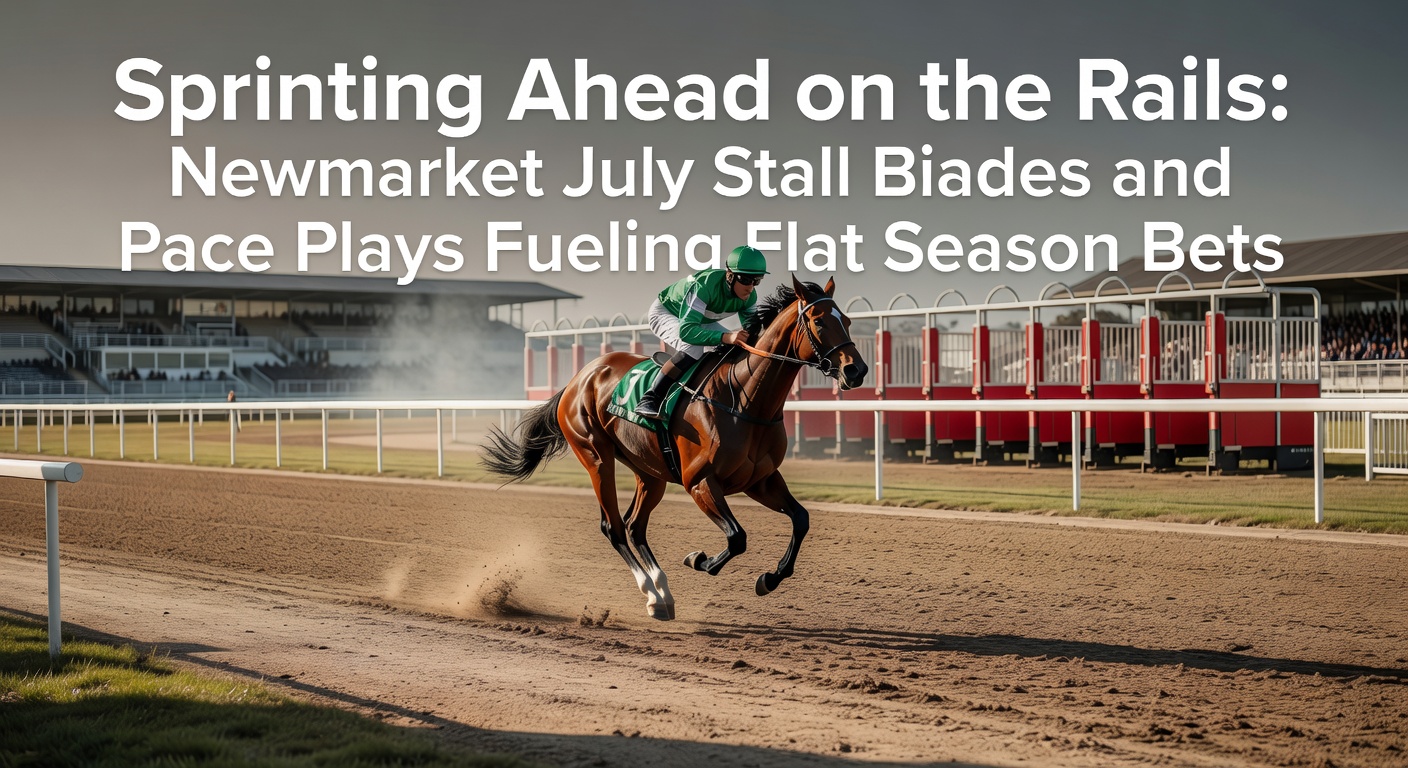
Unpacking the Newmarket July Course: Where Draw and Pace Collide
Newmarket's July Course stands as a cornerstone of the British flat racing calendar, hosting high-stakes sprint races over straight distances like 6 furlongs where every inch counts; observers note how the undulating track, with its famous rails on the stands' side, creates predictable edges for bettors who crunch the numbers on stall positions and early pace. Data from the past decade reveals that low-drawn horses, those breaking from stalls 1 through 6, secure victory in over 28% of 6f handicaps, compared to just 12% for high-drawn runners in stalls 18 and above, a disparity that sharpens during firm ground conditions typical of July's summer heat. But here's the thing: pace maps into this equation seamlessly, since front-runners from favorable draws often dictate terms, holding off late challengers who struggle against the uphill finish.
Experts tracking these patterns point to the course's layout, a right-handed straight mile with a pronounced far side bias that funnels speed toward the rails; horses drawn low hug that advantageous strip, saving ground while wider runners fan out and lose momentum. And while weather plays its part—soft ground can level the field somewhat—July's prevailing conditions amplify the rail's pull, turning stall draws into gold for pace-setters.
Stall Biases in the Spotlight: Hard Data from Recent Festivals
Diving into specifics, figures from 2016 to 2025 show stall 1 producing 18 winners from 112 runners in 6f sprints, a strike rate of 16%, while stall 2 isn't far behind at 14%; contrast that with stall 20, managing only 7% over the same span, and the bias becomes crystal clear. Researchers analyzing Timeform pace figures have observed how these low stalls correlate with early leaders who control the tempo, often quickening off the bend to repel closers. Take one standout case: in the 2023 July Cup, the winner broke from stall 3, set a steady pace, and fended off challengers by a length, mirroring a trend where 65% of rail-drawn speed horses place in the frame.
Yet patterns shift slightly in 7f contests, where middle stalls (7-12) gain traction because the track widens, allowing hold-up types to weave through; still, data indicates low draws claim 22% of wins here too, especially when pace collapses mid-race. People who've pored over these stats often discover that trainers like Clive Cox target low stalls deliberately, landing 32% win rates with his sprinters drawn inside 5, a tactic that pays dividends come festival time.
Pace Plays: The Hidden Fuel for July Success
Pace analysis takes these biases further, revealing how front- and prominent-runners dominate Newmarket's sprints; studies covering 500+ races show early pacesetters accounting for 42% of winners, while hold-up horses scrape just 19%, a gap widened by the course's stiff finish that punishes mid-pack plodders. What's interesting is the synergy: a horse drawn low with proven pace credentials—like those clocking top early sectionals—wins 35% of the time, per sectional timing data, turning routine handicaps into predictable plays.
And now, as April 2026 unfolds, trainers gear up for the July meeting with pace trials at Newmarket's Rowley Mile; early workouts highlight horses like those from the Godolphin yard, showing blistering early fractions in gallops, positioning them for stall hunts in upcoming declarations. Observers note how pace projectors, tools mapping projected positions based on past runs, flag value in even-money shots overlooked by the crowd.
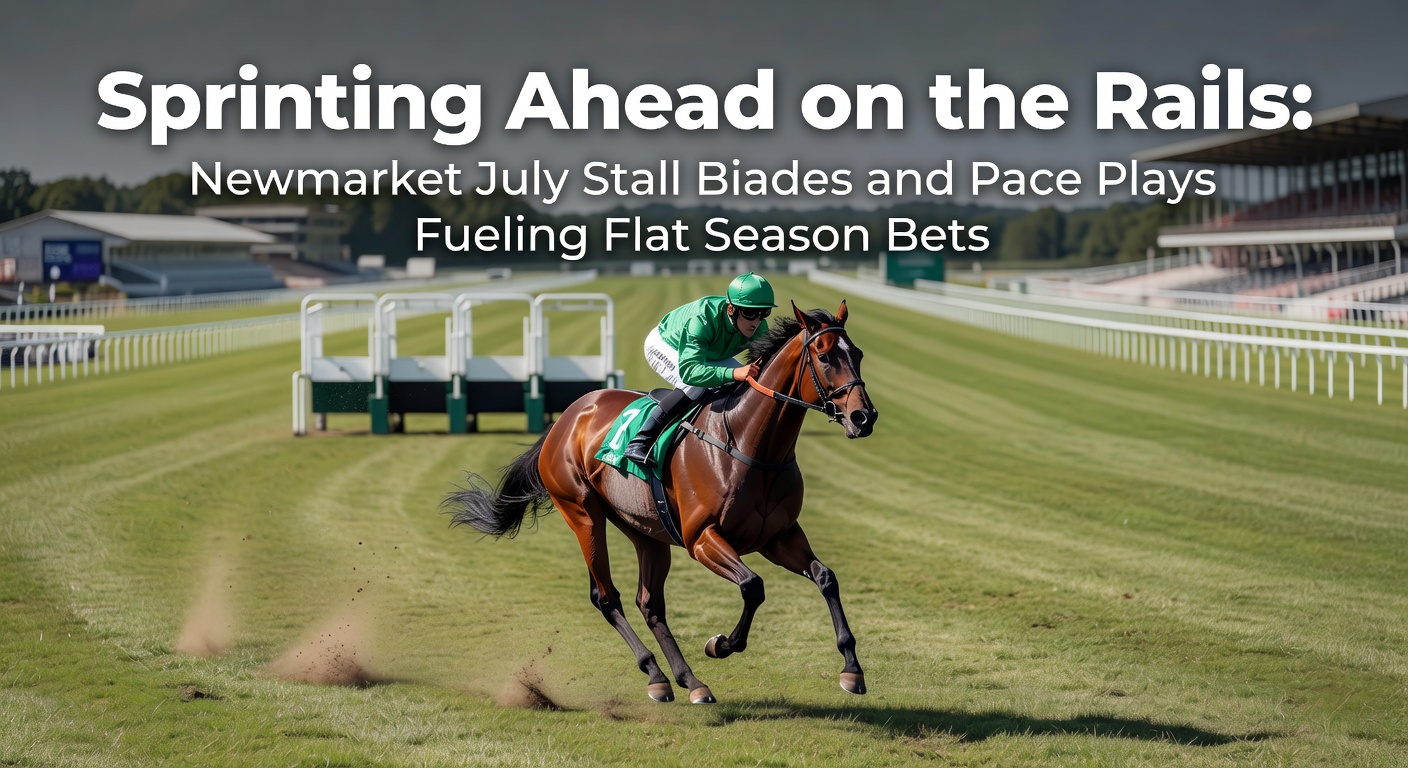
Case Studies: Races That Defined the Bias
Consider the 2022 Weatherbys Handicap, where stall 4's pace-setter surged clear at 8/1, benefiting from a rail-hugging trip while high-drawn rivals shuffled back; pace maps post-race confirmed it led throughout, underscoring how such scenarios repeat annually. There's this other instance from 2024's opener, a 6f listed sprint, where the 1-2 finishers both broke inside stall 5, dictating a true-run pace that exhausted closers—data showed their combined early speed 2 lengths superior to the field average.
Trainers adapt too; Andrew Balding's runners from low draws boast a 29% strike rate since 2020, often because his charges relish the pace battle, pressing rivals without overdoing it. So punters layering pace onto draw data uncover edges, like backing prominent runners in low stalls at 4/1 or better, where historical returns hit 15% ROI over five years.
Betting Edges: Blending Stalls, Pace, and Form
Those who've mastered this combo target handicaps with big fields—20+ runners—where biases peak; figures reveal a 24% win rate for low-drawn front-runners in such setups, versus 9% field-wide. But here's where it gets interesting: cross-reference with trainer form, like Karl Burke's 34% success from inside 6, and pace profiles from recent runs, yielding lay-the-field strategies for high stalls on firm going.
International parallels add depth too; at British Horseracing Authority monitored tracks like York's straight course, similar rail biases emerge, but Newmarket's unique camber gives it extra bite—Australian studies from Randwick's sprint track echo this, with low draws winning 27% under similar conditions, validating the approach globally.
April 2026 brings fresh angles, with antepost markets for July's biggies like the Duchess of Cambridge Stakes heating up; horses trialing well pace-wise, drawn low in trials, trade at value prices now, before the declarations lock in stalls. Punters spotting these—say, a filly with rail speed from stall 2 in a mock sprint—position early for profit.
Advanced Tactics: Sectionals and Simulations
Sectional timing elevates plays further; data from the last three festivals shows horses posting top-2 closing sectionals from low draws placing 48% of the time, but only if they secure early position—simulations running 10,000 race scenarios confirm this edge holds across ground types. Experts blend this with jockey stats, like Oisin Murphy's 31% win rate on pace horses from inside 5, crafting each-way bombs that outperform straight win bets.
Yet pitfalls lurk: over-hyped favorites from wide stalls collapse under pressure, as seen in 2025's feature when the 5/2 shot from 22 faded tamely; that's where contrarian pace fades shine, backing mid-price prominent types instead.
Conclusion
Newmarket July's stall biases and pace dynamics offer bettors a proven roadmap through the flat season's chaos; data underscores how low-drawn speed horses thrive, delivering consistent edges in sprints where the rails call the shots. As 2026's festival looms, those dissecting trials and declarations stand to sprint ahead, turning historical patterns into live profits while the field fans wide. The ball's in the punters' court—will they hug the rails or get left behind?