UK Gambling Yield Climbs to £3.2 Billion in Q2 2025/26 as Remote Casino Sector Leads Charge
25 Mar 2026
UK Gambling Yield Climbs to £3.2 Billion in Q2 2025/26 as Remote Casino Sector Leads Charge

The Latest Snapshot from the Gambling Commission
Data from the UK Gambling Commission's official quarterly industry statistics for Q2 of the financial year April 2025 to March 2026 reveals a total gross gambling yield (GGY) of £3.2 billion across Great Britain, excluding lotteries; this figure captures the net win for operators after payouts, serving as a key measure of industry performance during July to September 2025. Remote casino, betting, and bingo (RCBB) sectors pulled in £2.0 billion in GGY, with remote casino activities accounting for £1.4 billion and claiming a 69.9% share of that total, while non-remote betting contributed £592 million, representing 48.2% of the non-remote GGY from 5,782 licensed betting shops. Figures like these highlight ongoing shifts in the landscape, where digital platforms continue to expand even as traditional venues maintain their foothold.
What's interesting here is how these numbers reflect broader patterns; remote gambling has shown consistent upward movement, particularly in casino games, whereas physical betting operations remain steady amid evolving consumer habits. Observers tracking the sector note that such quarterly releases provide a pulse check on an industry navigating regulatory changes and technological advances, especially as the financial year progresses toward its March 2026 close.
Breaking Down the Remote Gambling Surge
The RCBB category stands out prominently, generating £2.0 billion in GGY; remote casino slots in at £1.4 billion, dominating with nearly 70% of the RCBB pie, a testament to the appeal of online slots, table games, and live dealer experiences accessed via apps and websites. Remote betting and bingo fill out the rest, but casino's lead underscores a trend where players gravitate toward convenient, 24/7 digital options, often from mobile devices; data indicates this sector's growth persists quarter after quarter, fueled by innovations like immersive graphics and faster load times.
And yet, the dominance isn't new; experts who've analyzed past reports point to remote casino consistently outpacing peers, with this Q2 marking another strong showing that builds on previous gains. Take the sheer volume: £1.4 billion means operators in this space handled massive stakes, paying out wins while retaining that net yield, all tracked rigorously by the Commission to ensure compliance and transparency. It's noteworthy that while remote betting contributes solidly, casino's share highlights where the action concentrates, drawing in a diverse player base from casual spinners to high-stakes enthusiasts.
- Remote casino GGY: £1.4 billion (69.9% of RCBB)
- Total RCBB GGY: £2.0 billion
- Balance from remote betting and bingo
Such breakdowns reveal not just raw numbers, but the mechanics of a sector adapting swiftly; players often find remote casino offers more variety and bonuses compared to land-based alternatives, although regulations cap stakes and enforce affordability checks to mitigate risks.
Non-Remote Betting Shops: Stability in Numbers
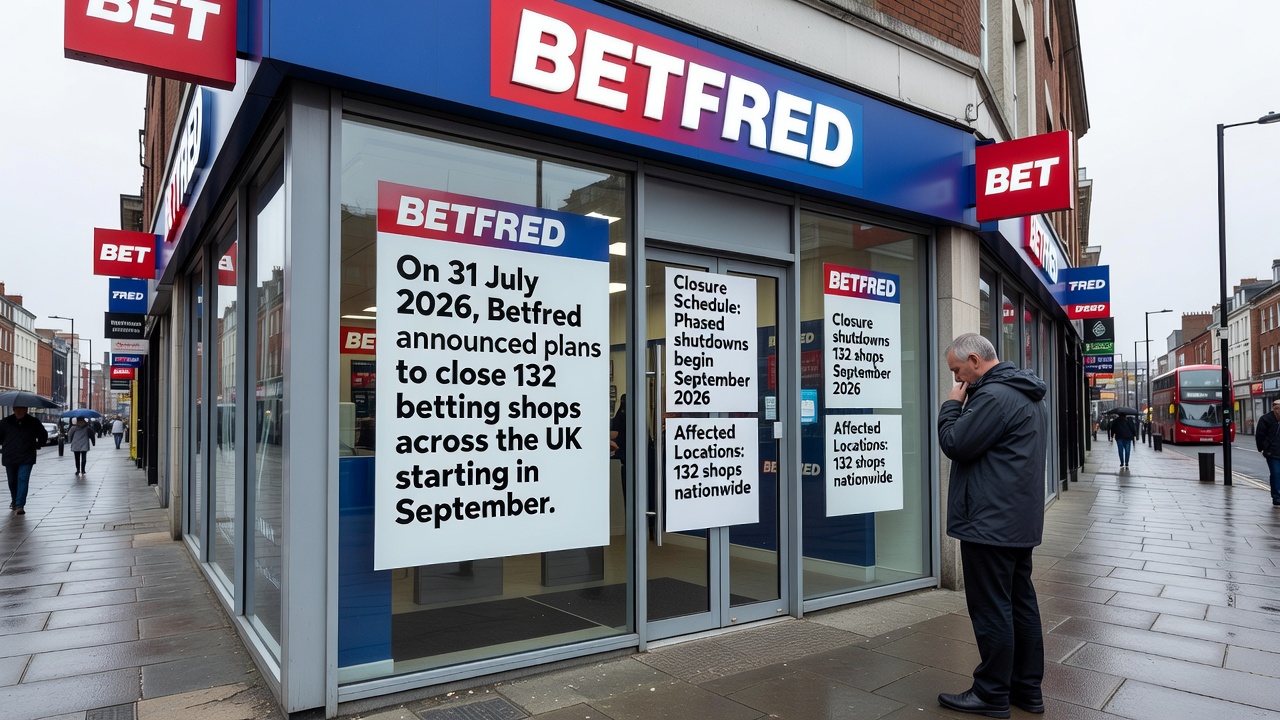
Shifting focus to physical operations, non-remote betting delivered £592 million in GGY, comprising 48.2% of the overall non-remote total; this came from 5,782 licensed betting shops scattered across Great Britain, venues that serve as community hubs for sports fans placing wagers on football matches, horse races, and more. These shops, often found on high streets, rely on in-person service, large screens for live events, and quick over-the-counter bets, holding steady despite the online boom.
Here's where it gets interesting: while remote sectors grow, these 5,782 locations generated substantial yield without expanding their footprint, suggesting loyal customers value the social atmosphere and immediate payouts; data shows non-remote betting's share remains robust at nearly half of physical GGY, a balance that keeps the high street relevant. Operators maintain these shops with compliance tools like age verification and self-exclusion options, ensuring they align with Commission standards even as digital rivals proliferate.
One case that illustrates this stability involves major chains operating hundreds of outlets; they report consistent footfall during peak seasons like Premier League weekends or Cheltenham Festival, where punters mix bets with the buzz of fellow fans. Turns out, £592 million isn't just a figure, but the result of thousands of daily transactions processed in these environments, underscoring resilience in a hybrid market.
Total GGY Excluding Lotteries: £3.2 Billion in Context
Pulling it all together, the £3.2 billion GGY excludes lotteries, focusing instead on betting, casino, bingo, and related activities; this aggregate reflects contributions from both remote and non-remote channels, with RCBB's £2.0 billion forming teh bulk alongside other segments like non-remote casino and arcades. The Commission's report, covering July to September 2025, positions Q2 as a period of solid performance midway through the financial year ending March 2026, offering benchmarks for operators planning ahead.
But here's the thing: excluding lotteries sharpens the view on core gambling verticals, where remote casino's £1.4 billion anchors growth, non-remote betting's £592 million provides ballast, and the rest fills in gaps from bingo halls to online poker tables. Researchers studying these stats observe how GGY calculations—total stakes minus winnings—reveal operator profitability, informing policy on everything from licensing fees to problem gambling initiatives. It's not rocket science, but the numbers paint a clear picture of an industry that's dynamic yet regulated tightly.
People who've followed quarterly trends know remote growth isn't a blip; it builds persistently, with casino leading because of high engagement rates and repeat play, whereas physical shops endure through tradition and event-driven spikes. As March 2026 approaches, these Q2 results set expectations for Q3 and Q4, potentially influenced by seasonal sports and regulatory tweaks.
Persistent Trends Shaping the Industry
Figures underscore persistent trends: growth in remote gambling, especially casino activities, runs parallel to stable physical betting shop operations; remote casino's 69.9% RCBB share exemplifies digital expansion, driven by accessibility and game diversity, while 5,782 shops yielding £592 million (48.2% non-remote) show brick-and-mortar's endurance. Observers note this duality defines the UK market, where online convenience attracts younger demographics, yet high streets retain older, social bettors.
So, what sustains these patterns? Data points to technological upgrades in remote platforms boosting retention, alongside shop modernizations like cashless payments; the Commission's oversight ensures both evolve responsibly, with GGY metrics guiding affordability and safer gambling measures. One study highlighted in similar reports (though focused here on Q2 specifics) reveals how remote yields climb with mobile penetration, now over 90% in the UK, while shop numbers hold at around 5,800 for years.
That's where the rubber meets the road: £3.2 billion total GGY signals health, but the split—remote heavy, non-remote steady—hints at future hybrids like shop-linked apps. As the year unfolds toward March 2026, stakeholders watch how these trends play out amid economic factors and player protections.
Experts have observed that non-remote's 48.2% betting share from fixed locations withstands online pressure through localized events; football Saturdays, for instance, pack shops where punters debate odds face-to-face, contributing steadily to that £592 million. Meanwhile, remote casino thrives on anytime access, with £1.4 billion reflecting billions in stakes processed seamlessly.
Conclusion
The UK Gambling Commission's Q2 2025/26 statistics deliver a clear verdict: £3.2 billion GGY excluding lotteries, propelled by £2.0 billion from RCBB where remote casino claims £1.4 billion and 69.9%, complemented by £592 million from 5,782 non-remote betting shops at 48.2% of their category. These numbers affirm persistent growth in digital casino alongside stable physical betting, painting a balanced yet evolving industry picture as the financial year heads to March 2026. Data like this equips operators, regulators, and observers with insights for navigating ahead, ensuring the sector's vitality endures.