18 Aug 2026
UK High Street Betting Outlets Navigate Fresh Closures Following Recent Fiscal Adjustments
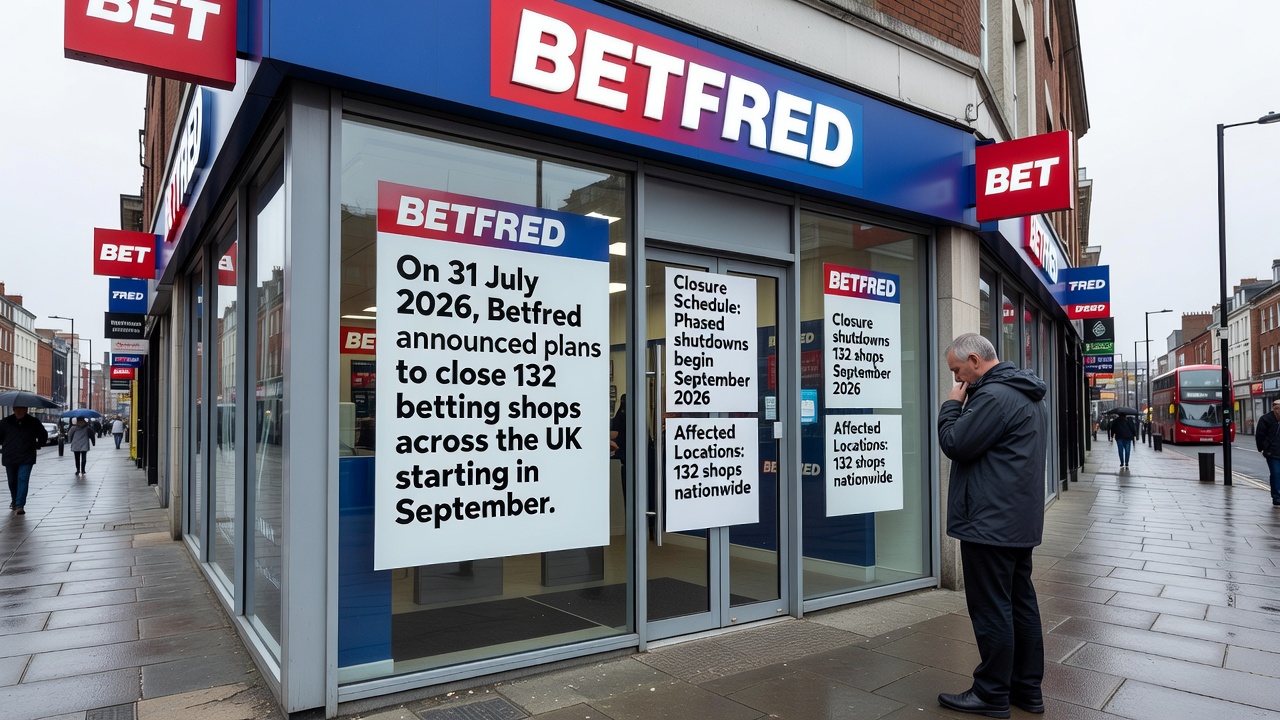
 The Betting and Gaming Council has released updated figures showing more than 540 high-street betting shops closed since the prior Budget introduced new tax measures, while around 4,500 positions disappeared from the sector during the same period. These numbers build on an established pattern of contraction that began earlier, with approximately 3,000 shops and over 15,000 roles lost across the industry since 2019. Operators point to the combined weight of those tax changes as the main driver behind the latest wave of reductions. The Council notes that integrated companies running both physical locations and online platforms now face additional strain when further increases target remote gaming and sports betting activities.
Scale of Recent Losses and Longer-Term Patterns
Data compiled by the industry body tracks the cumulative effect across multiple years. Shop numbers fell steadily after 2019, yet the pace accelerated once the latest Budget measures took hold. Employment figures followed the same trajectory, with each closure removing several full-time and part-time positions from local economies.
Those who monitor retail gambling trends observe that many of the affected sites sat in town centres where footfall had already declined. Remaining outlets often operate with smaller teams, and several chains have consolidated resources into fewer locations to manage rising costs.
Pressures on Integrated Operators
Companies that maintain both high-street premises and digital platforms report particular difficulties. Tax adjustments applied across channels increase overall liabilities at a time when customer migration toward online play continues. The Council states that these dual-channel businesses now weigh the viability of keeping marginal shops open against the need to sustain investment in digital infrastructure.
Further rises proposed for online gaming and sports betting would add to that burden. The body warns that such moves risk accelerating closures, reducing employment opportunities, and limiting capital available for upgrades or new technology. At the same time, observers note that higher regulated costs can shift activity toward unlicensed platforms operating outside tax and consumer-protection rules.
Market Dynamics and Regulatory Context
August 2026 marks another checkpoint in this ongoing adjustment cycle. Industry statistics released around that period continue to reflect the impact of the earlier Budget decisions, with no reversal yet visible in shop or staffing totals. The Council continues to track monthly performance across its members while highlighting how tax policy influences decisions on site retention.
Retail operators have responded by reviewing lease agreements, negotiating with suppliers, and in some cases converting space to alternative uses. Several locations now combine betting services with other retail offerings to maintain viability. Employment support programmes have appeared in certain regions where multiple closures occurred in quick succession.
Implications for the Broader Sector
The Council emphasises that sustained pressure on integrated operators affects both physical and digital sides of the business. Investment decisions for new games, responsible gambling tools, and platform security depend on predictable cost structures. When tax liabilities rise faster than revenue growth, those projects face delays or cancellation.
Black market activity receives indirect support when regulated operators reduce presence. Unlicensed sites avoid the same tax obligations and can offer different odds or promotions, drawing customers who previously used licensed channels. The Council links recent shop closures to measurable increases in traffic toward unregulated platforms in overlapping geographic areas.
Conclusion
Current figures from the Betting and Gaming Council document more than 540 shop closures and roughly 4,500 job losses since the last Budget tax changes, extending a decline that has removed around 3,000 shops and over 15,000 positions since 2019. The industry body continues to flag the combined effect of existing and proposed tax increases on retail-online operators as a factor that may drive additional reductions while shifting activity toward unregulated alternatives. These developments remain under active review as the sector adjusts to the policy environment established in recent years.